
The role of nutrition in hearing care.
Sound perception is more than a mechanical process; it is a biological function sustained by the precision of daily micro-habits and the specific natural ingredients we invite into our lives.

Quality of sound perception starts at the table.
The auditory system is one of the most metabolically active parts of the human body. To maintain comfortable sound perception, the delicate structures of the ear require a constant supply of energy and protection from oxidative stress.
Folate and B12 support vascular health, ensuring blood flow remains consistent to the small vessels of the auditory canal.
Magnesium functions as a protective shield against the impact of noise on hearing by regulating sound-related nerve impulses.

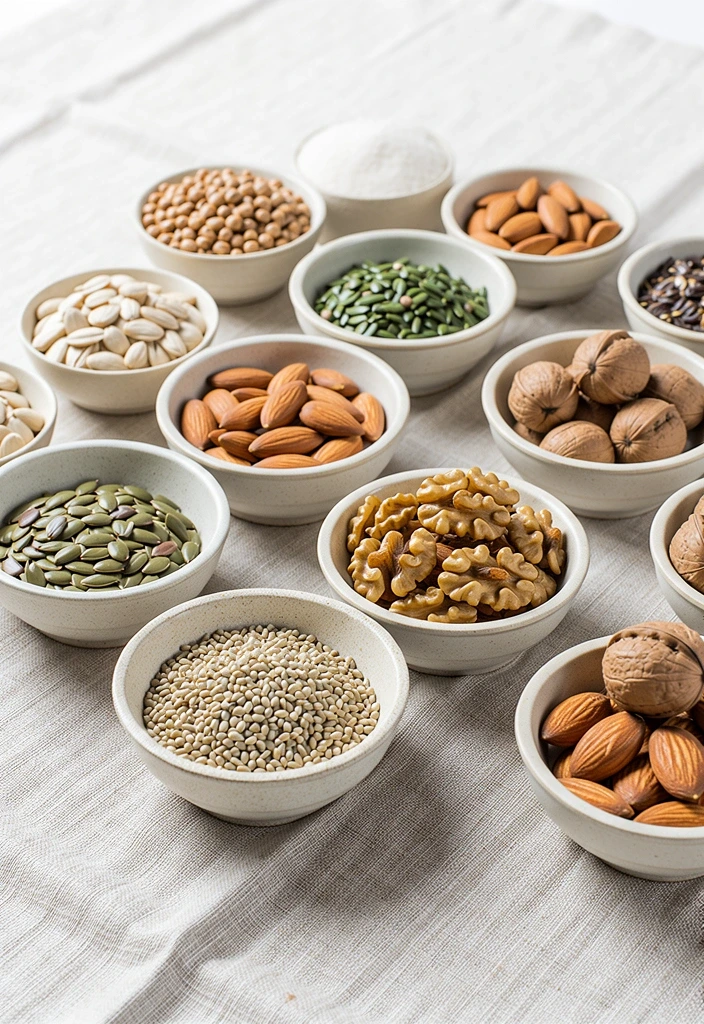
The Essential Matrix: Natural Ingredients
Understanding how specific elements integrate into your daily habits for hearing care.
Regulation
Potassium
Essential for regulating the fluid in your inner ear. This fluid translates sound vibrations into electrical signals that the brain recognizes. Leafy greens, bananas, and potatoes are primary sources.
- • Maintains fluid balance
- • Supports nerve signaling
Resilience
Zinc
Increases the resilience of the inner ear. Zinc is found in high concentrations in the cochlea. Cashews, dark chocolate, and whole grains help maintain this natural defense.
- • Cellular growth
- • Natural defense support
Circulation
Omega-3s
Healthy fats strengthen the blood vessels in the auditory system. Improved circulation ensures that oxygen reaches sensitive cells, preventing hearing discomfort over time.
- • Strengthening ear tissues
- • Enhancing vascular flow

Hearing in the context of modern lifestyles.
Modern living presents constant auditory challenges. From urban soundscapes to headphones, attention to hearing health is no longer optional. Beyond raw diet, the combination of silence and nutrition creates a synergistic effect.
We believe in the power of **hearing hygiene**. Just as we nourish our bodies, we must cultivate a "sound diet"—intervals of quiet that allow the sensory hair cells to rest and recover.
Explore Hygiene HabitsIntegrating Nutrition into Daily Life
Morning: The Antioxidant Start
Consider a bowl of berries or a cup of green tea. Rich in antioxidants, these help neutralize free radicals that can cause stress to the delicate inner ear structures.
Lunch: The Magnesium Anchor
Integrating spinach or pumpkin seeds into your midday meal provides a steady source of magnesium, balancing sound perception through the busy afternoon hours.
Dinner: The Omega Finish
Focus on fatty fish or walnuts. These natural ingredients support long-term vascular health, fostering better hearing environmental adaptation while you sleep.
Snacks: Focus on Zinc
Small portions of dark chocolate or peanuts are more than just treats; they provide essential minerals that reinforce the cochlea's natural defense mechanisms.
Caring for your hearing begins with a deeper understanding of lifestyle and hearing.
OidoPuro • Quality of sound perception • 2026